01
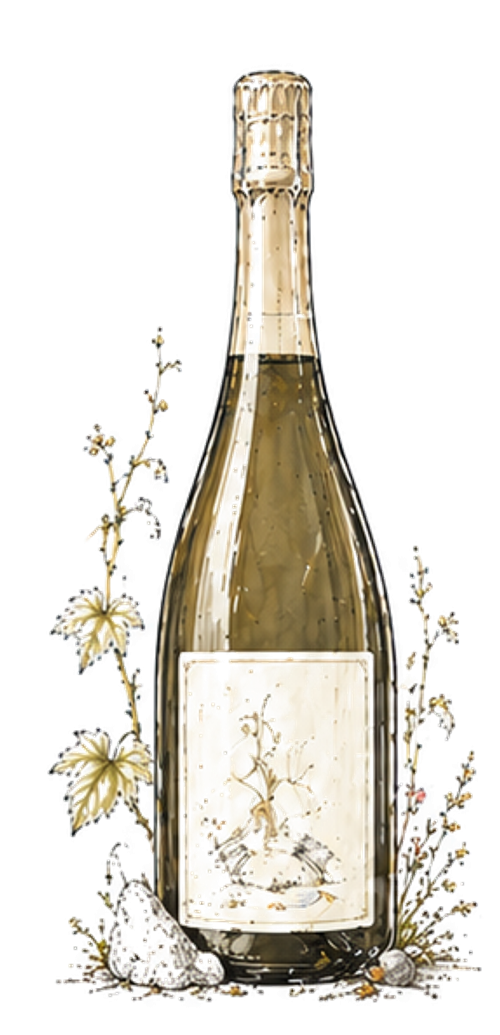
Blanc de Blancs
Champagne made from 100% Chardonnay. Tension, freshness, a long vertical line. Found across Champagne, with different voices depending on the village and the soil.

THE SELECTION
No catalogue, no e-commerce. A short list, built the way a menu is built. Three categories, each chosen for the role it plays at the table.
CHAMPAGNE
A village, sometimes a parcel, always a single name. The growers we are choosing all farm their own vines and bottle under their own name. The styles below are grouped for clarity, side by side.
Coming soon
01
Champagne made from 100% Chardonnay. Tension, freshness, a long vertical line. Found across Champagne, with different voices depending on the village and the soil.
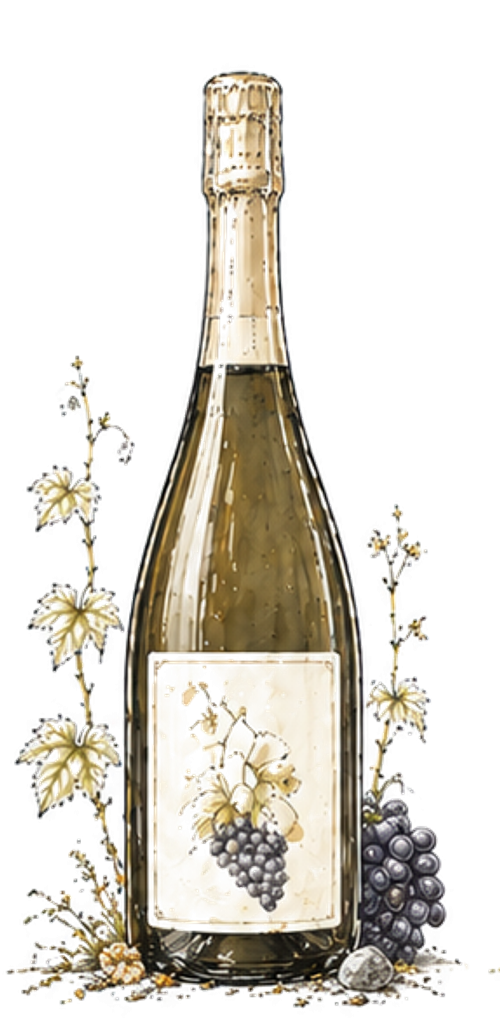
02
Champagne made from black grapes (Pinot Noir, Pinot Meunier, or both) vinified in white. Wider on the palate, deeper in fruit, often a natural match for a main course.
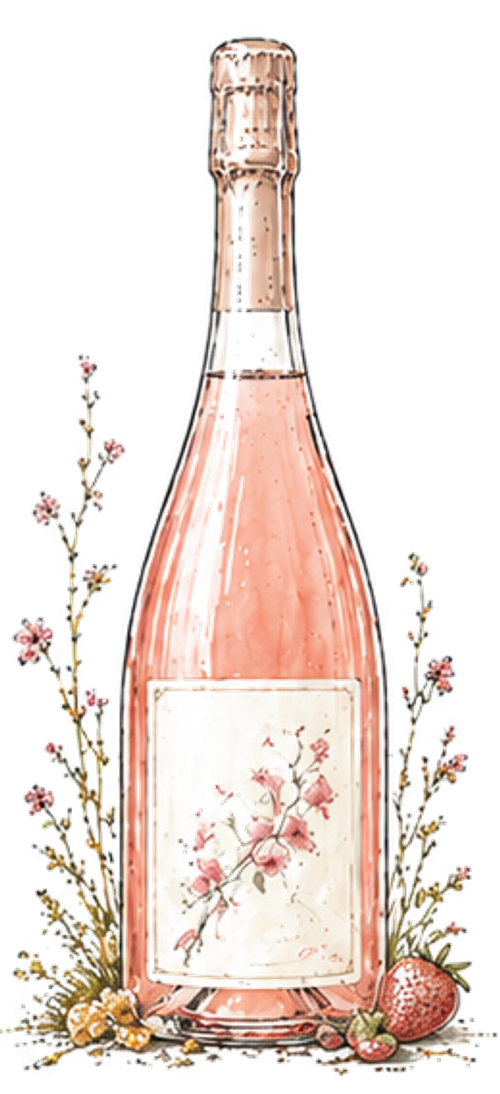
03
Pink Champagne, made by saignée (short maceration of black grapes) or assemblage (a small portion of still red wine added to the white base). When made seriously, it earns a place at the table well beyond the aperitif.
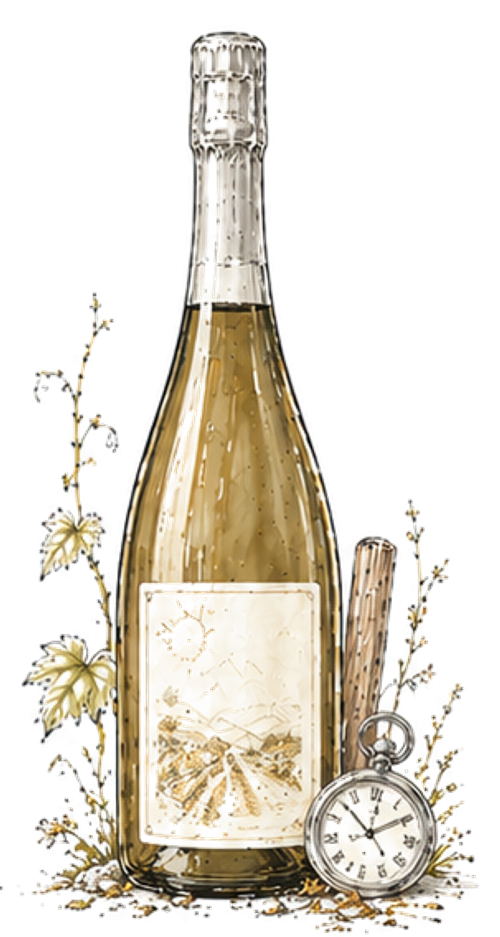
04
A single-year cuvée, made only in vintages a grower judges worth declaring. These wines come with age and structure, and ask for patience: longer lees ageing is part of the deal.
COTEAUX CHAMPENOIS
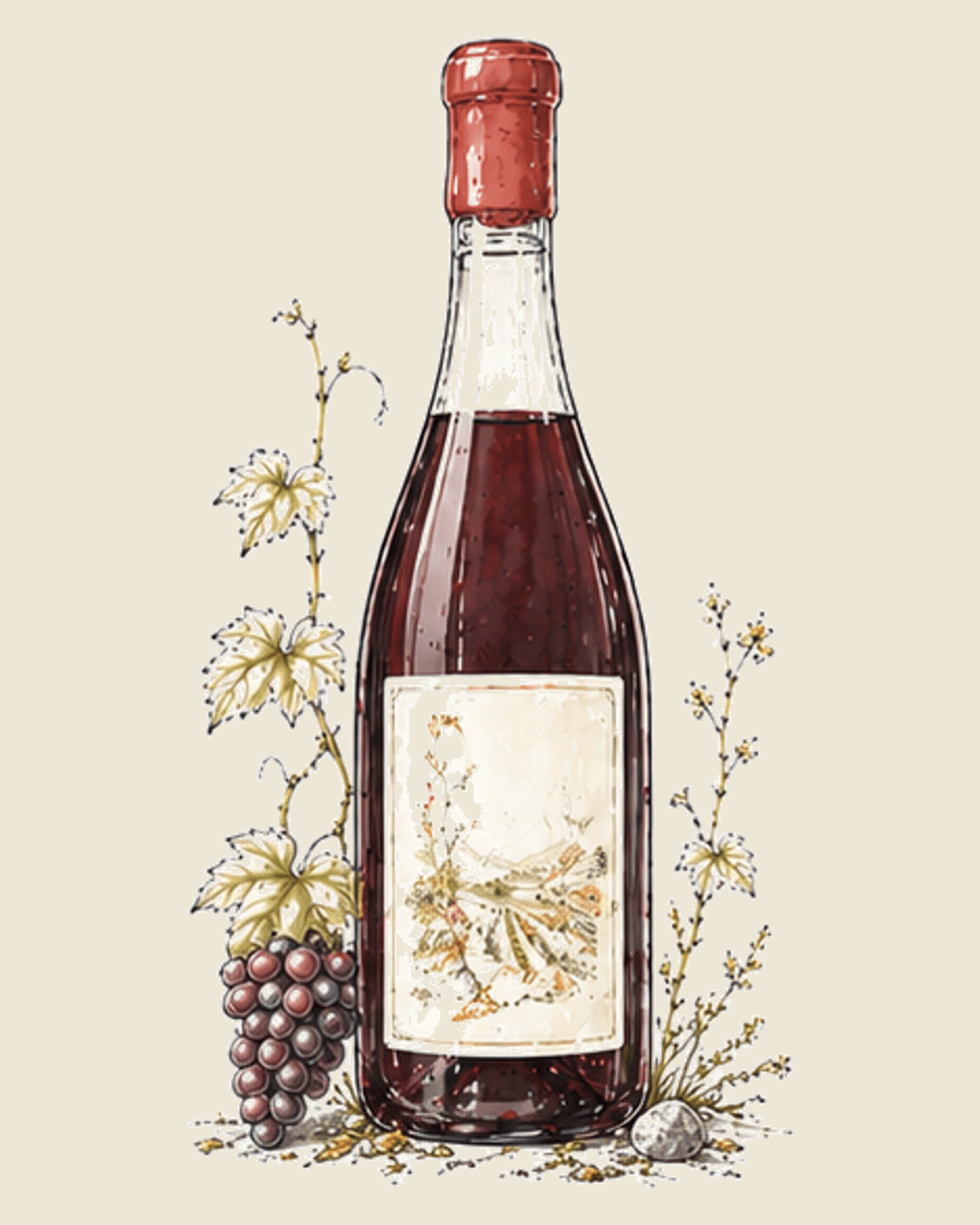
Before Champagne became sparkling, it was a still wine. Coteaux Champenois is the appellation left to that memory: red and white wines, grown on the same chalk, made without bubbles.
Production is small, often a few hundred bottles per cuvée. The wines are gastronomic, sometimes austere, sometimes generous. They read the Champagne vineyard outside the conversation about effervescence.
01
Still white wines, made from any of the white grapes authorised in Champagne (Chardonnay, Pinot Blanc, Pinot Gris, Petit Meslier, Arbane). The style depends on the village, the variety and the grower. Often aged in neutral wood for length.
02
Still red wines, made from the black grapes authorised in Champagne (mostly Pinot Noir or Pinot Meunier). The style varies widely from village to village, and from one grower to another. Generally lighter than southern French reds, with the cool fruit of a northern climate.
Cuvées in selection, growers to be announced.
RATAFIA
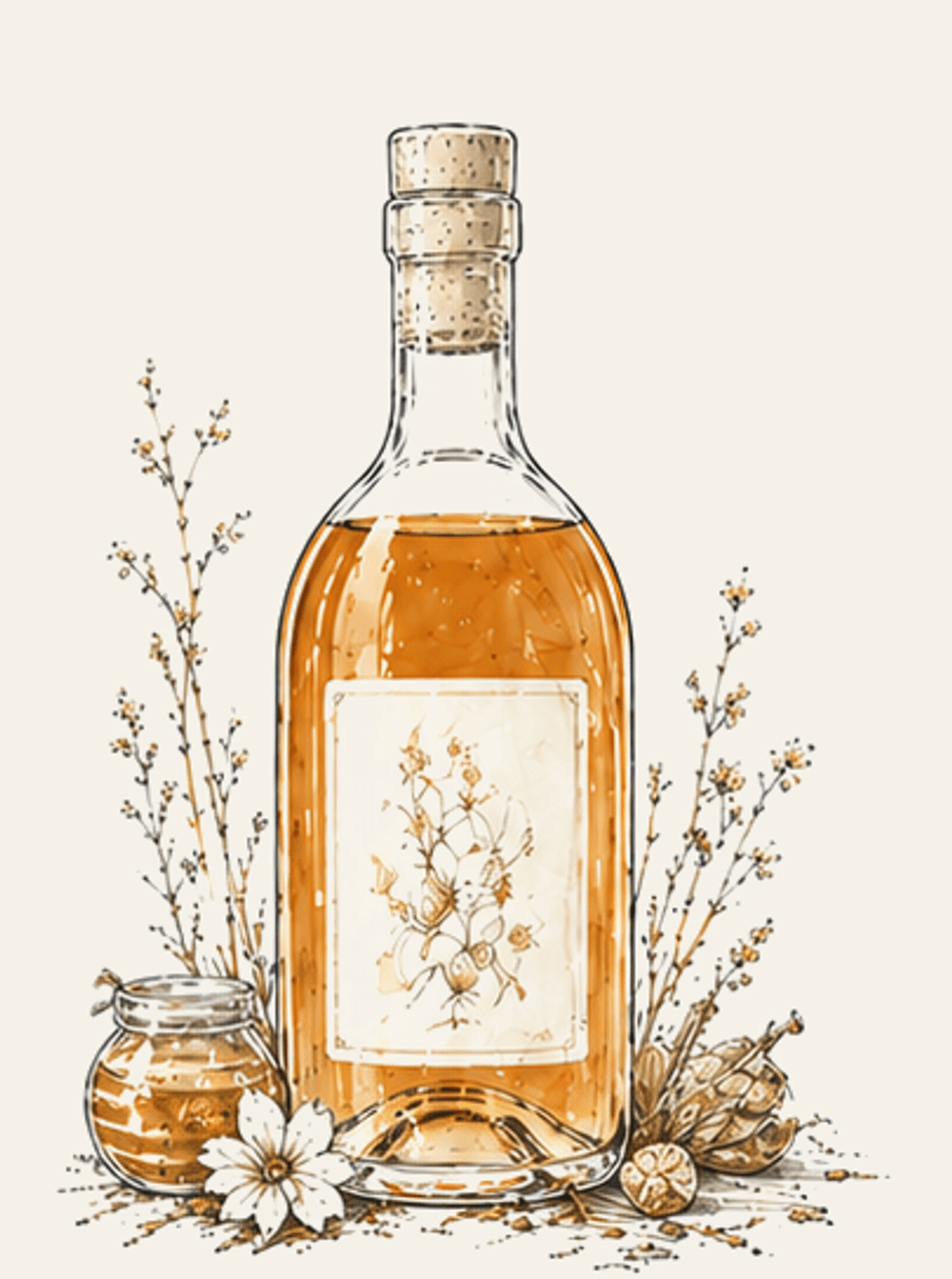
Ratafia de Champagne is unfermented grape must stopped with eau-de-vie from the same estate. Older than the region's sparkling wines, largely forgotten outside the houses that still make it.
It will join the selection because it belongs to the Champagne landscape: a small glass, slightly chilled, before or after a meal. A fortified character, made simply, on the same estate as the wine.
Coming soon